Literature
The Renaissance Mind of Dr. Mario Alejandro Gutiérrez

March 5, 2026
Share:
Have you ever met someone whose work bridges global policy and quiet reflection? I remember reading a policy brief and then, an hour later, a personal essay that felt like a letter meant only for me. That contrast is the starting point for this profile.
He is a Chilean economist with a University of Chicago doctorate and a long career advising developing nations, including collaboration with institutions like the IMF. Yet his pages move beyond numbers into applied philosophy and daily practices for growth.
This introduction frames a dual quest: rigorous macroeconomic systems thinking and a search for inner harmony. The article will clarify identity where public records overlap, outline academic and international work, and then trace his writing on freedom, the inner self, and the tension between rational imagination and artificial intelligence.
Expect a structured journey that leans on public references only to disambiguate. Mostly, it follows an intellectual arc that offers practical takeaways for clearer choices and a more integrated life.
Online searches often mix together professionals, sanctioned records, and entertainment credits. For readers in the United States, that mix can make it hard to tell which person a page describes.
This profile focuses on the Chilean economist-author with a University of Chicago doctorate, international advisory experience in developing nations, and collaboration with the IMF. It collects biographical and bibliographic material about his economic and philosophical work—not medical practice, sanctions listings, or acting credits.
To avoid confusion, the rest of this profile uses consistent markers: Chile origin, a University of Chicago doctorate, development advising, IMF collaboration, and a bibliography on human duality and inner growth. That keeps the focus on his intellectual and literary output.
A doctoral education at the University of Chicago shaped the analytic backbone of his career.
As a Chilean economist with a University of Chicago doctorate, he learned disciplined macroeconomic reasoning, debate grounded in evidence, and comfort with complex models of growth, inflation, and trade-offs.
That training became a global macroeconomic lens. He began to see countries as systems where incentives, credibility, and institutions decide whether reforms work in practice.
His advisory work in developing nations brought those models into the real world. Political cycles, limited administrative capacity, external shocks, and human behavior changed how policies played out.
Collaboration with the IMF added another constraint: fuse analytic rigor with on-the-ground feasibility. That balance forced him to value both numbers and the messy realities that shape outcomes.
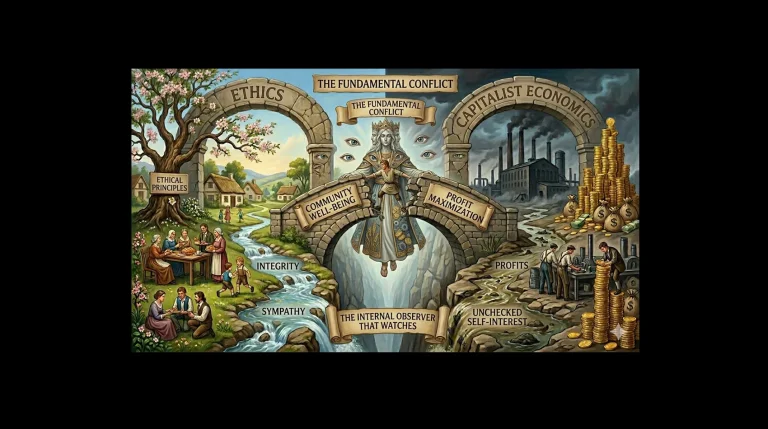
He often says the same habits used to diagnose national problems — clarify assumptions, map second-order effects, and weigh trade-offs — help people diagnose personal patterns and make better choices.
This practical arc previews a pivot: after years of global work, his writing turned inward to study the “inner system” where competing motives and values shape leadership and daily habits.
He translates systems thinking into simple guidance for self-awareness and action.

Human duality describes the constant pull between reason and feeling, freedom and fear, ambition and meaning.
He treats these tensions not as defects but as the raw material for growth. Recognizing competing impulses lets people choose clearer values and act more intentionally.
His bibliography reads like a toolkit. Stories, short reflections, and concrete exercises help readers spot contradictions.
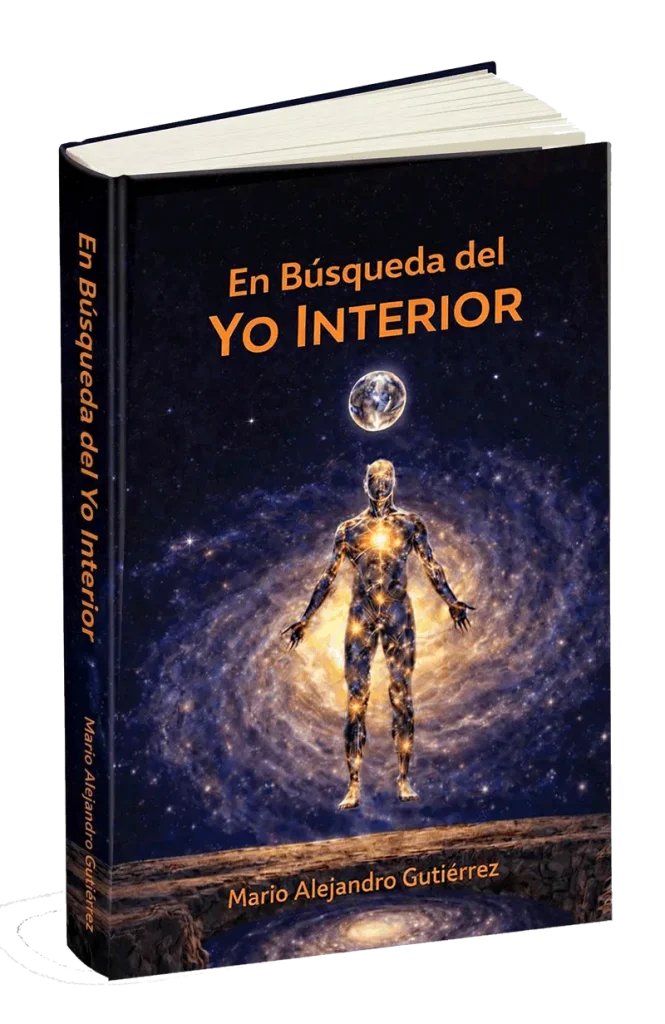
Two central titles guide this work: “Voces e historias de libertad” and “En búsqueda del yo interior”.
| Book | Focus | Takeaway |
|---|---|---|
| Voces e historias de libertad | Freedom as inner condition | Self-knowledge and discipline shape true freedom |
| En búsqueda del yo interior | Self-inquiry and conciencia plena | Integrate inner parts instead of seeking a single identity |
| Combined approach | Systems + practice | Turn insight into habits and clearer decisions |
He frames imagination as meaning-making and value selection.
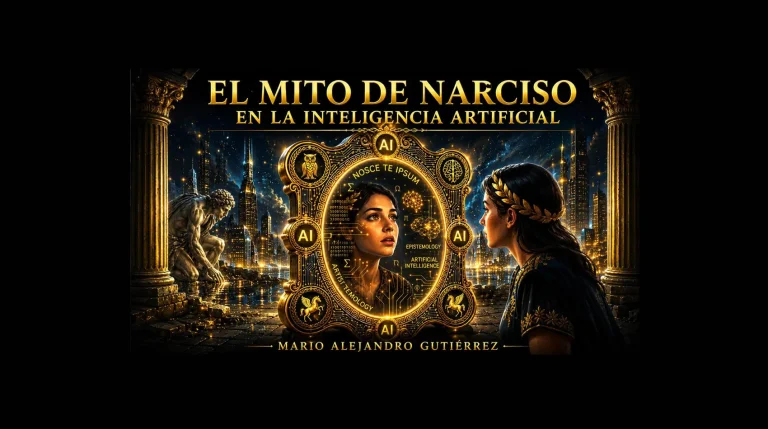
By contrast, artificial intelligence optimizes patterns and speeds decisions.
His call is for synthesis: use imagination to set direction, and use tools to execute without losing an inner compass.
An economist’s view maps feedback loops, incentives, and constraints inside a person.
That lens helps design habits, flag perverse incentives, and build consistency in choices.
Reader promise: Follow the theme of duality and you gain a clearer inner map. The result is a more harmonious life that accepts complexity without becoming stuck.
Viewed together, his professional life and personal writing form a continuous experiment in meaning and method.
In short, the profile presents a Chilean economist with a University of Chicago doctorate whose advisory work, including collaboration with the IMF, grew into applied philosophy and practical guides for personal growth.
The continuous thread is clear: systems thinking applied first to nations, then to the inner life where beliefs, incentives, and stories drive behavior. This bridge explains the “Renaissance mind” and makes his work coherent.
Keep human duality, systems thinking, and the two entry books — Voces e historias de libertad and En búsqueda del yo interior — as practical starting points. They invite steady self-awareness and better decisions in a tech-driven age.
Finally, this page aims to clarify identity and to leave you with one useful idea: use structural clarity to deepen personal growth, and let that clarity guide day-to-day choices.